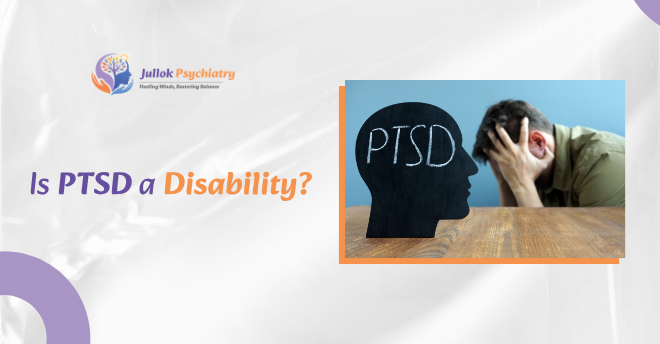
PTSD means post-traumatic stress disorder. It is a mental illness. It can happen after a very stressful or upsetting event. PTSD can develop from abuse, an accident, war, loss, or other difficult experiences in life. Because it significantly impacts daily functioning, many people often ask: Is PTSD considered a disability?
Symptoms of PTSD are not the same for all people. Some have mild symptoms. Others have high scores on other signs that affect many areas of life. Some people need help. Others require more care and support.
What PTSD Can Feel Like
PTSD impacts thoughts, emotions and the body. It can appear in various forms.
Common signs can include:
- Bad memories that come back again and again
- Nightmares
- Feeling jumpy or tense
- Trouble sleeping
- Feeling sad, angry, or numb
- Avoiding people or places that bring up fear
- Trouble focusing
- Panic or fear when reminded of the past
- A hard time trusting others
Daily life can be difficult to bear with these signs. A person may wish to engage in typical activities, but the symptoms stand in the way.
When PTSD May Be a Disability
PTSD may be a disability when it limits important parts of life. This means a person may have trouble doing things most people can do without much help. When looking at legal or workplace standards, the question of does PTSD count as a disability usually depends on the severity of these limitations.
It may affect:
- Work
- School
- Family life
- Social life
- Self-care
- Sleep and rest
- Safety and calm
For example, a person with PTSD might panic at work. They may struggle to leave home. People with PTSD fear crowds and have sleep problems. This can be a big problem. In some areas, people with PTSD are considered disabled if they can’t live or work normally.
Why The Word Disability Can Matter
The term disability can assist people in getting help. It can enable a person to seek assistance in the workplace, school, or elsewhere. This support can simplify and make life safer.
Using this designation can also help people access PTSD disability benefits. Many individuals who are unable to maintain a job due to their symptoms need to know: does PTSD qualify for Social Security disability? In many cases, the answer is yes and depending on your history and financial situation, you may find that you can you get SSI for PTSD.
Support may include:
- More breaks
- A quieter work area
- Flexible hours
- Extra time for school work
- Help with appointments
- Changes that lower stress
These changes do not fix PTSD, but they can help a person cope better.
PTSD Does Not Look the Same in Everyone
PTSD is different for each person. Some people show signs right away. Others may feel worse later. Some people can still go to work, but they feel drained inside. Some people may look fine to others, but they are struggling a lot.
A common question for those struggling long-term is: is PTSD a permanent disability? While for some it can be a lifelong journey of management, others find that intensive treatment significantly reduces the impact on their life over time. Because of this, it is important not to judge someone by how they look on the outside. PTSD can be hidden.
What Treatment May Include
PTSD treatment can look different for each person. A care plan may include talking with a mental health provider, learning coping skills and making healthy daily changes.
Treatment may help with:
- Feeling safer
- Lowering fear
- Sleeping better
- Improving focus
- Calming the body
- Building trust again
A provider may also check for other issues that can happen with PTSD, like depression, anxiety, panic, or sleep problems.
How Jullok Psychiatry LLC Can Help
Ronke Arogundade is a Family Psychiatric Nurse. She sees patients at Jullok Psychiatry. She is a board-certified Psychiatric Mental Health Provider. She creates a safe space for her patients.
Care focuses on the person, helping them improve emotional wellness. She also feels in her heart that she has to learn continuously so she can be a good support person.
This is important because there can be several areas in life that are impacted by PTSD. People feel heard and supported by a kind, skilled provider.
Simple Signs You May Need Help Soon
It may be a good time to reach out if PTSD symptoms:
- Last a long time
- Get worse over time
- Make it hard to work or study
- Hurt relationships
- Keep you from sleeping or eating well
- Cause panic or strong fear
- Make you feel unsafe
- Lead to thoughts of self-harm
Seeking assistance promptly can prevent matters from escalating.
Final Thoughts
So, is PTSD a disability? For some, yes. PTSD can be a disability if it makes life difficult and impairs functioning in a person’s daily life. Its effects can be mild, moderate, or severe. It all depends on the person.
The good news is that help is here. With the right care and treatment, people with PTSD can feel better.
If you’re suffering from the effects of PTSD, Jullok Psychiatry LLC is ready to assist you with compassionate mental health care and treatment that caters to the needs of real people and real needs.
FAQs
Q. What Causes PTSD?
PTSD can happen after scary or painful events. This may include abuse, accidents, violence, war, or losing someone close.
Q. Can PTSD Get Better?
Yes. Many people feel better with the right care and support. Treatment, healthy habits and therapy can help reduce symptoms.